Flotier is a rooftop wind system engineered for commercial and industrial buildings — generating clean electricity at wind speeds and in wind conditions traditional turbines can't use. Built to complement solar, not compete with it.
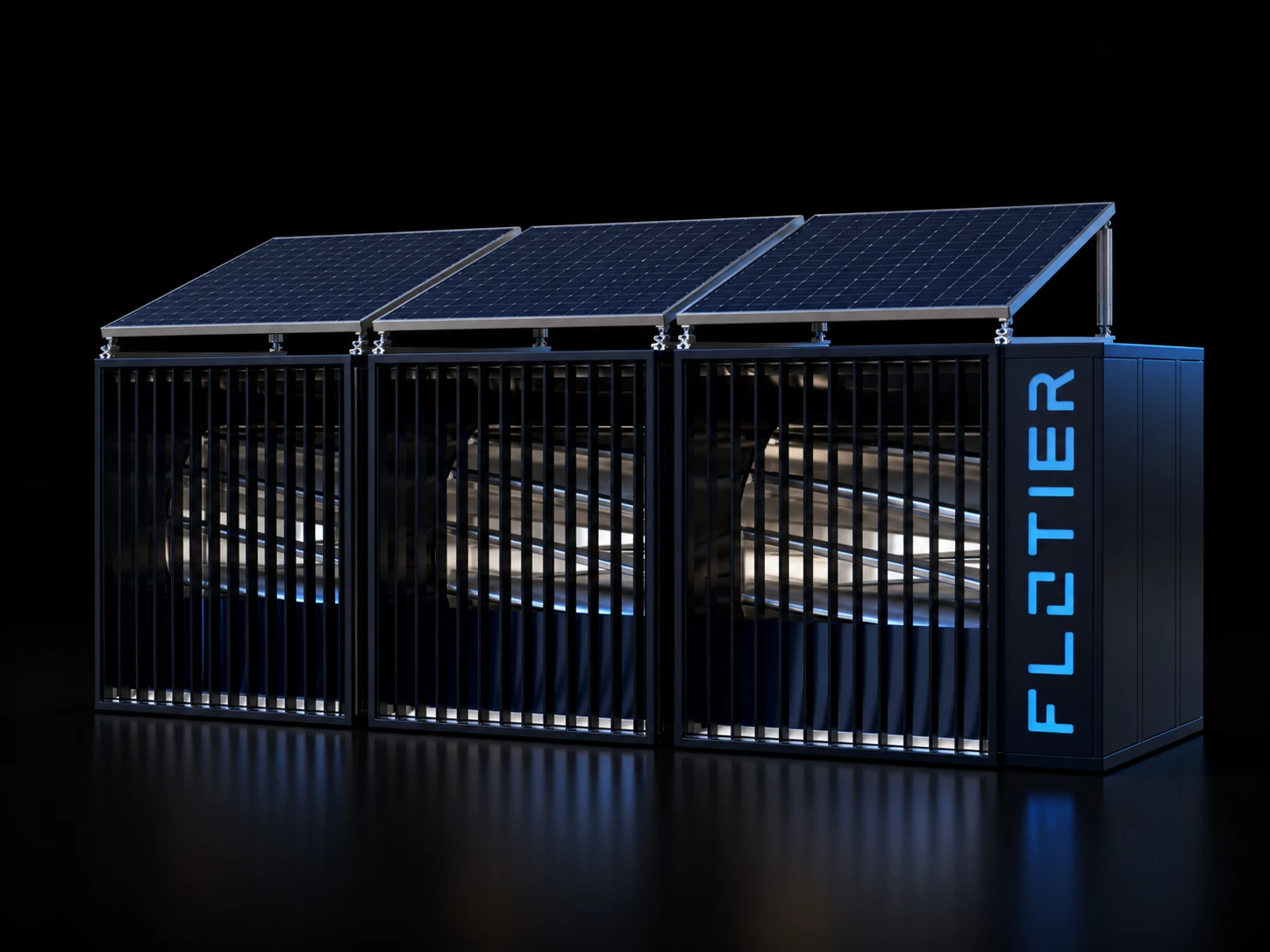
Market size, traction, IP, and the economics behind the infrastructure layer urban wind energy has been waiting for.
Explore the investment case →Territory availability, partner economics, and how to add rooftop wind to your existing solar or ESCO portfolio.
See the partner programme →Check whether your roof qualifies, estimate your energy output, and see how the assessment process works.
Check your building →Urban wind is turbulent, low-speed, and constantly changing direction — the opposite of the steady, open-field conditions large turbines need. Flotier's aerodynamic design was built specifically for the airflow that actually exists on top of buildings.
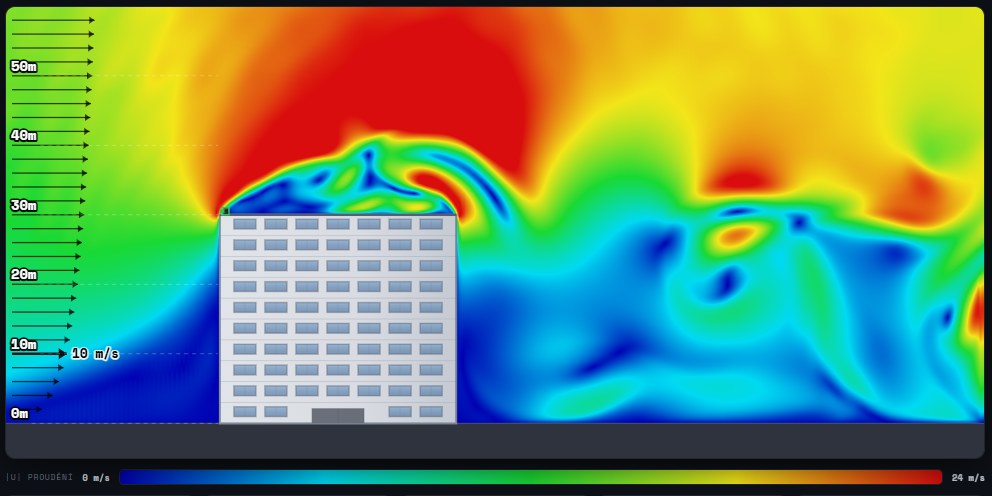
CFD streamline simulation — wind accelerating and separating at a roof edge
Wind naturally accelerates as it passes over a rooftop edge — energy that is normally lost.
A patented geometry captures that accelerated airflow and creates a low-pressure zone that drives it further.
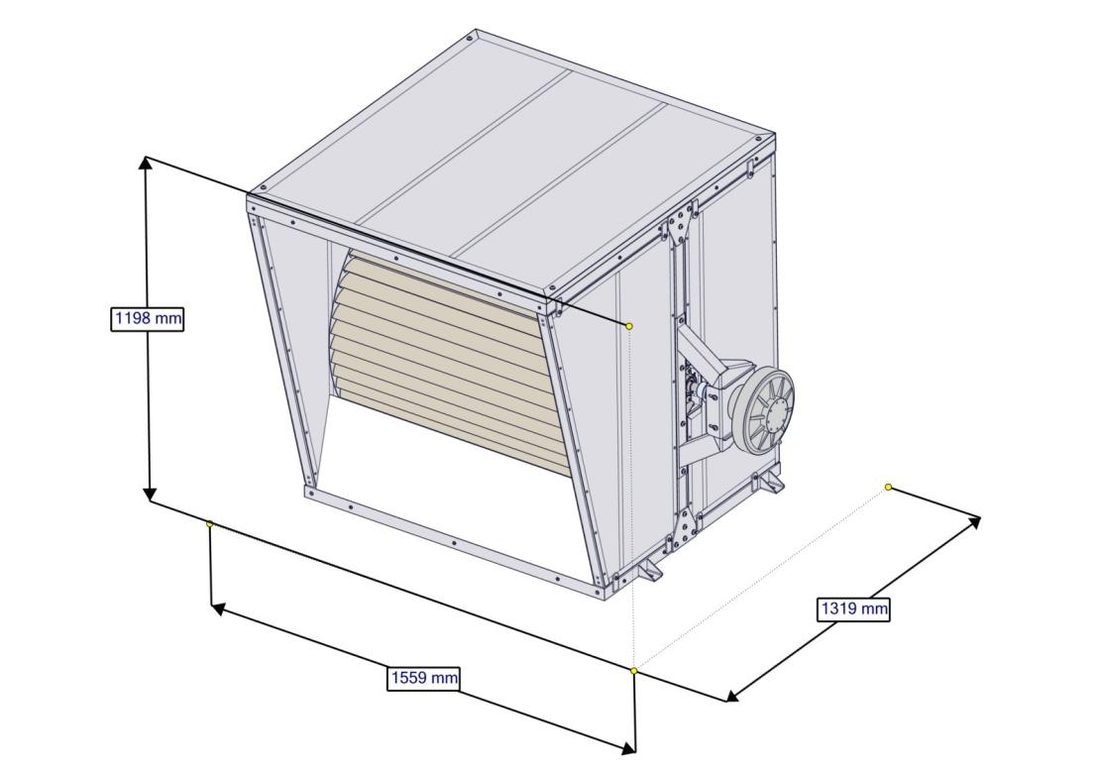
The amplified flow drives an internal, industrial-grade permanent magnet generator, producing three-phase AC voltage that varies with rotor speed. It's routed through a switchboard to a converter, which turns it into DC for charging battery storage.
Granted in the Czech Republic; a second patent is filed with an EU-wide process underway.
4,000+ hours of aerodynamic optimisation across design variants
Czech Republic pilot underway now; Slovakia, Sardinia and Poland planned within three months.
In progressAerodynamic design tested and validated in controlled wind tunnel conditions in 2025.
Solar peaks midday, in summer. Wind peaks at night, in winter, and in overcast weather — exactly when solar output drops. Combining both closes the gap that solar-only systems leave open.
Figures are illustrative — to be confirmed with pilot or simulation data before publication.
Estimate ROI for your building →Illustrative monthly generation mix